Health and Safety in Vietnam: A Practical Guide
Vietnam is a safe destination for the vast majority of travellers. Violent crime against tourists is rare, healthcare in major cities is accessible, and the most common health issues — stomach problems, sunburn, motorbike accidents — are predictable and preventable. Here is a practical guide to the risks that actually matter.
Traffic: The Real Risk
Traffic is the most significant safety issue for travellers in Vietnam. Road deaths in Vietnam are among the highest in Southeast Asia, and motorbike accidents account for the majority. The combination of high traffic density, informal road rules, and inexperienced tourist riders creates predictable accidents.
Pedestrians: Crossing the street in Hanoi or Saigon requires a different approach than in most Western cities. Traffic doesn't stop — it flows around pedestrians who move at a steady, predictable pace. Walk slowly and consistently; don't run or freeze. Allow motorbikes to pass around you. Once you understand the rhythm, it becomes manageable.
Renting motorbikes: Many travellers rent motorbikes and some have excellent experiences. The risks are real: poor road surfaces, unlit highways at night, and Vietnamese driving habits that differ significantly from most countries. If you ride, wear a helmet (non-negotiable), drive during daylight, and avoid highway riding. Consider taking a driving lesson before heading into mountain roads.

Ho Chi Minh City traffic — the motorbike density is high by any global standard; pedestrian crossings exist but aren't always observed
Grab: Using Grab (Vietnam's dominant ride-hailing app) for most transport is strongly recommended. It's cheaper than taxis in most cases, eliminates fare negotiation, and the driver's identity and route are tracked.
Food Safety
Vietnamese street food is generally safe if you apply basic rules:
- Eat at stalls with high turnover — food sitting in containers for hours is riskier than food cooked to order
- Avoid pre-cut raw fruit displayed openly in heat
- Ice at reputable venues (hotels, established restaurants) is made from purified water and is safe; street ice of unclear origin is less certain
- Raw vegetables washed in tap water carry more risk than cooked food
Stomach issues (traveller's diarrhoea) affect perhaps 20–30% of visitors, typically in the first few days. Bring oral rehydration salts. Most cases resolve within 48 hours without medication; see a doctor if symptoms include high fever or blood.

A busy Vietnamese market — high turnover is your best food safety indicator; an empty stall with food sitting out is a yellow flag
Water
Tap water is not safe to drink in Vietnam. Bottled water is widely available and inexpensive. Hotels provide complimentary bottles; refillable bottles can be topped up at many cafés and restaurants that use filtered water. Brushing teeth with tap water is generally fine for most people.
Sun and Heat
Vietnam's UV index is high year-round, reaching extreme levels (11+) in summer months. Sunburn happens faster than most visitors expect.
- SPF 50+ sunscreen, applied 30 minutes before sun exposure and reapplied every 2 hours
- Midday (11am–3pm) is when UV is most intense; plan indoor activities or beach visits for early morning and late afternoon
- Heat exhaustion is possible in the south during April–June; drink water consistently and recognise symptoms (dizziness, headache, excessive sweating)
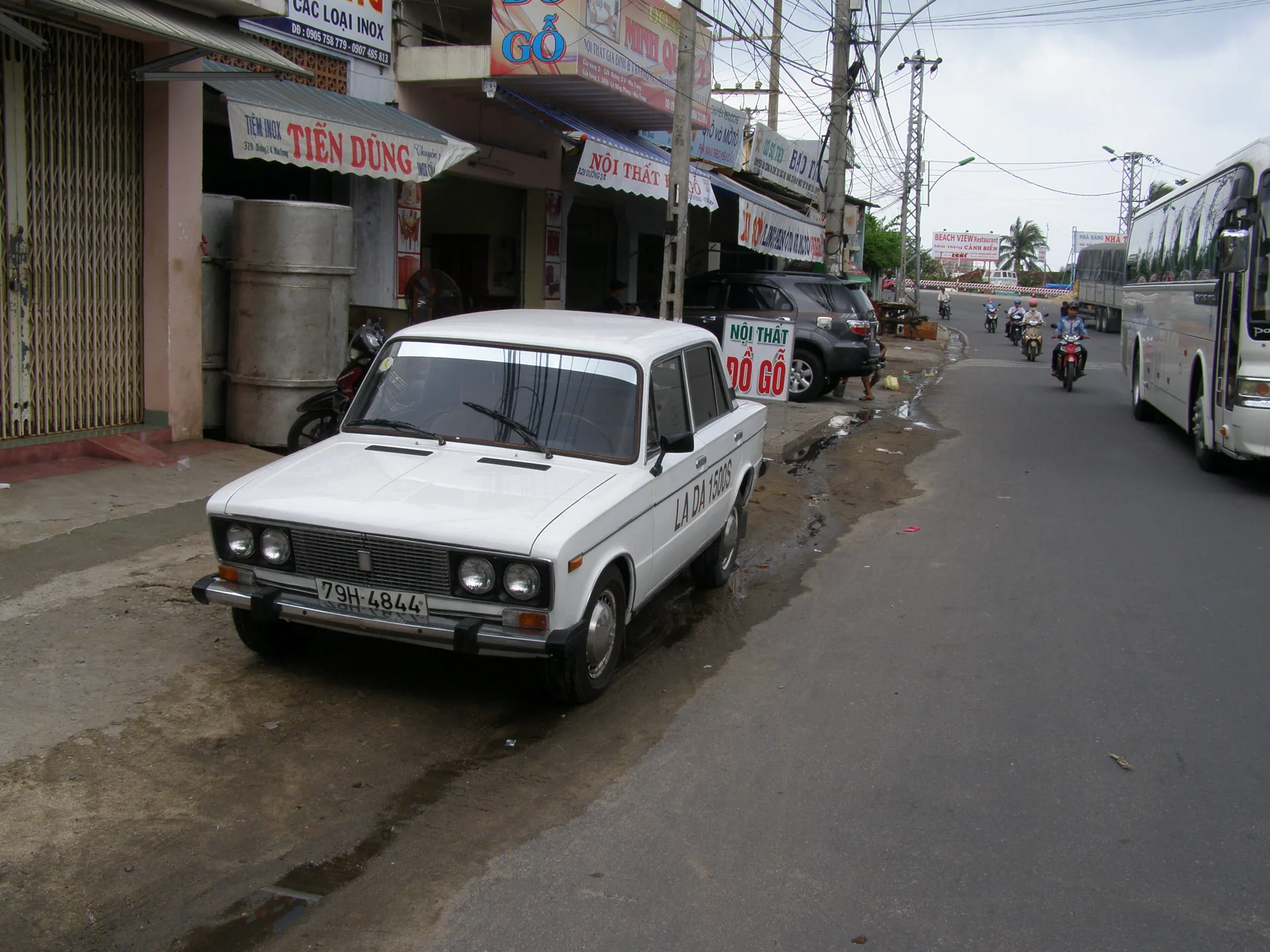
Nha Trang's coastal strip — the combination of tropical sun and reflected sea light makes SPF 50 non-optional
Mosquitoes and Tropical Diseases
Dengue fever is present throughout Vietnam year-round, with peak transmission during the rainy season (May–October). There is no vaccine; prevention is mosquito avoidance. Use DEET-based repellent (30%+ concentration), wear long sleeves and trousers at dawn and dusk, and choose accommodation with screened windows or air-conditioning.
Malaria exists in remote rural and jungle areas, but risk for travellers on standard tourist routes (cities, beaches, Hội An, Hạ Long Bay) is negligible. If trekking in jungle border areas (including some sections of the Hà Giang loop), consult a travel medicine doctor about prophylaxis.

The Mekong Delta — Vietnam's wetland regions have higher mosquito activity; use DEET repellent from sunset onwards
Vaccinations
Recommended vaccinations for Vietnam (consult your GP or travel clinic 6–8 weeks before departure):
- Hepatitis A (from food/water)
- Hepatitis B (if long-term or medical-risk travel)
- Typhoid (from food/water)
- Tetanus (up to date for all travellers)
- Japanese Encephalitis (if spending significant time in rural areas)
- Rabies (consider if visiting caves, wildlife areas, or long-term travel)
Medical Care
Major cities have international-standard private hospitals and clinics used by both expats and travellers:
- Hanoi: Vinmec Times City, FV Hospital outpost, Family Medical Practice
- Ho Chi Minh City: FV Hospital, Vinmec Central Park, Columbia Asia
- Hội An and Đà Nẵng: Vinmec Đà Nẵng; smaller clinics in Hội An
Travel insurance with medical evacuation cover is essential. Emergency evacuation to Bangkok or Singapore is sometimes recommended for serious injuries.
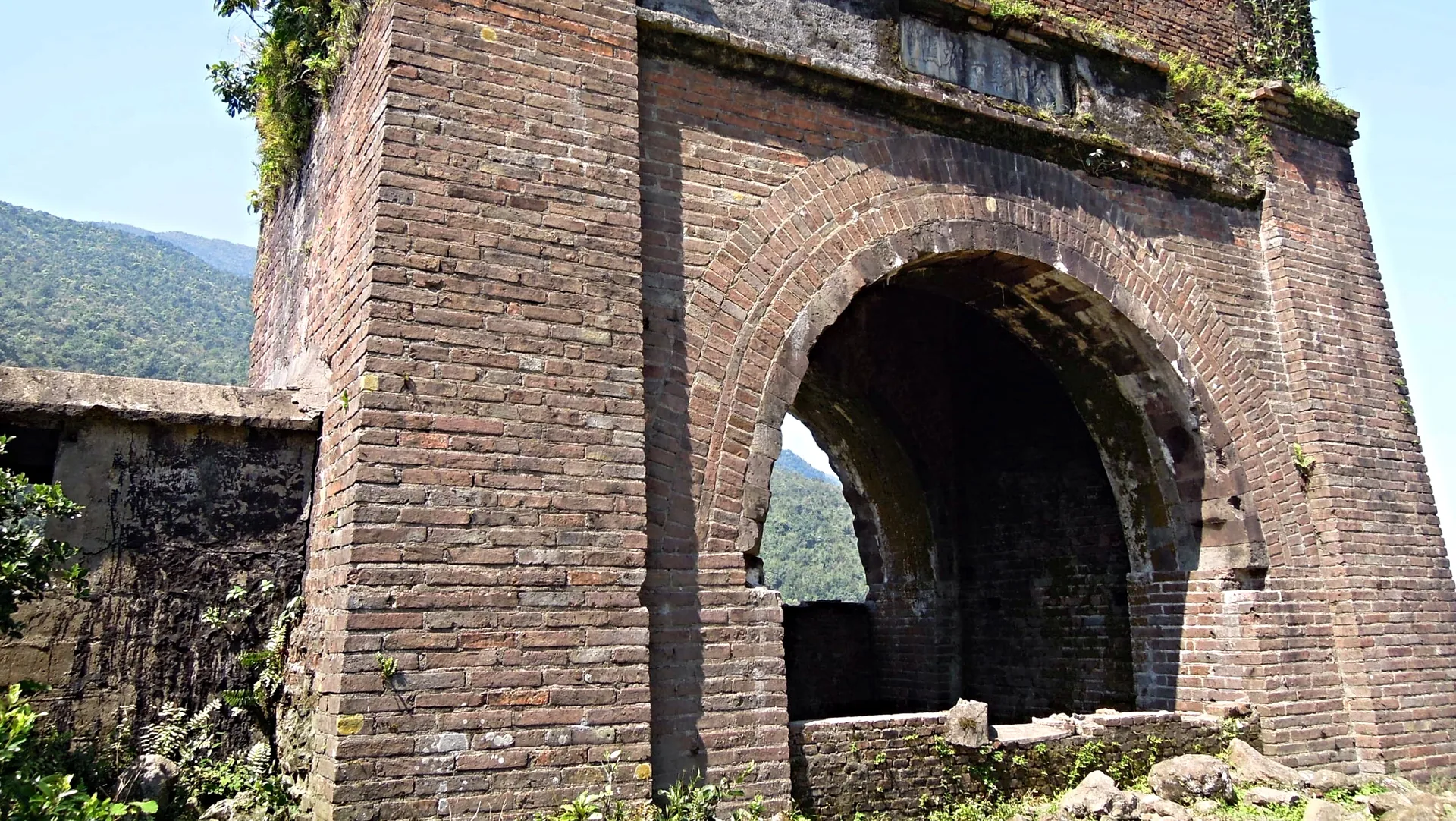
Vietnam's central coast — while major tourist towns have adequate medical facilities, remote areas have limited services
Petty Crime
Bag snatching from moving motorbikes occurs in Ho Chi Minh City and, less frequently, Hanoi. Don't carry bags on the street-side of your body, avoid using phones conspicuously while walking, and don't leave valuables visible in baskets or bags on motorbikes.
Scams: The most common involve overcharging (taxis without meters, "free" cyclo rides that end with a demand for an inflated fee), and gem or art scams targeting new arrivals. Use Grab for transport; agree prices before getting in any vehicle.
Emergency Numbers
| Number | |
|---|---|
| Police | 113 |
| Fire | 114 |
| Ambulance | 115 |
| Tourist Police Hotline | 1800 599 920 |
Information notice: Prices, opening hours, and travel conditions can change. Content on EnViet is reviewed periodically but may not reflect the most current situation. Please verify important details with official or local sources before travelling or booking.
EnViet Editorial Team
The EnViet Editorial Team creates practical Vietnam travel and food guides using local knowledge, public sources, and manual editorial review. Content is reviewed before publication and updated periodically.