Vietnam's National Parks: A Wildlife and Trekking Guide
Vietnam has 34 national parks covering nearly 4% of the country's land area. They range from the lowland tropical forests of the south to the limestone karst wilderness of the north, from coastal mangroves to high alpine zones above 3,000 metres. Most receive very few foreign visitors — making them among the best places in Southeast Asia to experience genuine wilderness without a crowd.
This guide covers the parks most accessible and rewarding for travellers, with what to expect in each.
Phong Nha-Kẻ Bàng (Quảng Bình Province)
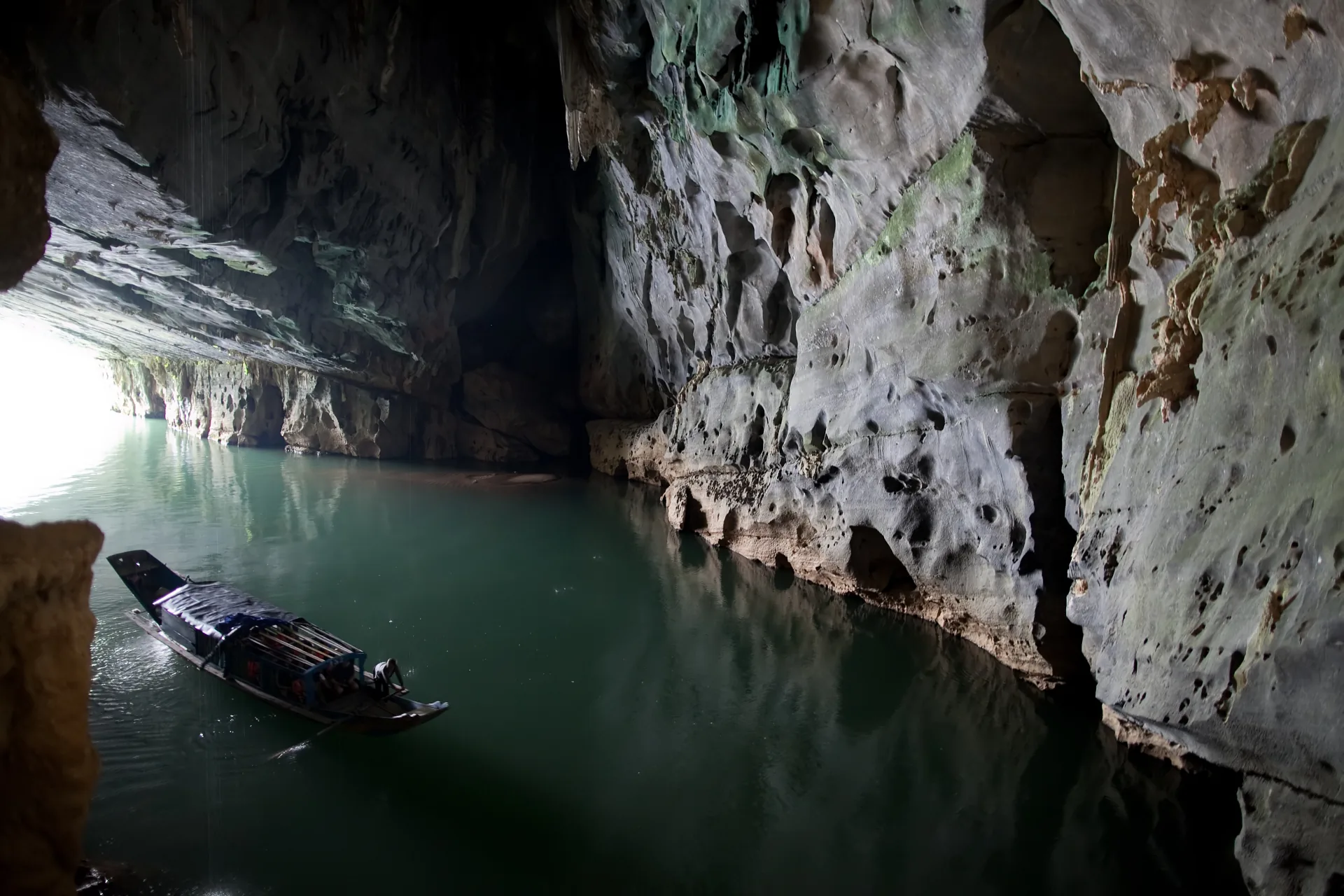
Vietnam's most famous national park is also its most scientifically significant. The UNESCO-listed karst massif contains over 300 cave systems, including Hang Sơn Đoòng — the world's largest cave by volume — and hundreds of others that have never been surveyed.

Phong Nha cave — the classic entry point to the park, accessed by boat along an underground river
What to do: Phong Nha Cave (boat tour), Paradise Cave (10km walkway), Dark Cave (zip line and kayak), Son Doong expedition (4-day guided, $3,000+). Cycling around the park valley is excellent.
Base: Phong Nha village, 2.5h from Đồng Hới airport by bus/motorbike.
Cát Tiên (Đồng Nai Province)
Cát Tiên, 150km north of Ho Chi Minh City, is southern Vietnam's most biodiverse national park — 74,000 hectares of lowland tropical forest with one of Southeast Asia's last viable populations of gaur, elephants, and sun bears. The Endangered Primate Rescue Center inside the park holds gibbons and langurs.

Cát Tiên National Park — the closest significant wildlife habitat to Ho Chi Minh City, reachable in under 3 hours
What to do: Night jeep safari (best for wildlife sightings), birdwatching (400+ species), Primate Rescue Center, crocodile lake walk. The park's wetlands attract rare water birds year-round.
Base: Park accommodation available; most visitors day-trip or overnight from HCMC.
Ba Bể (Bắc Kạn Province)
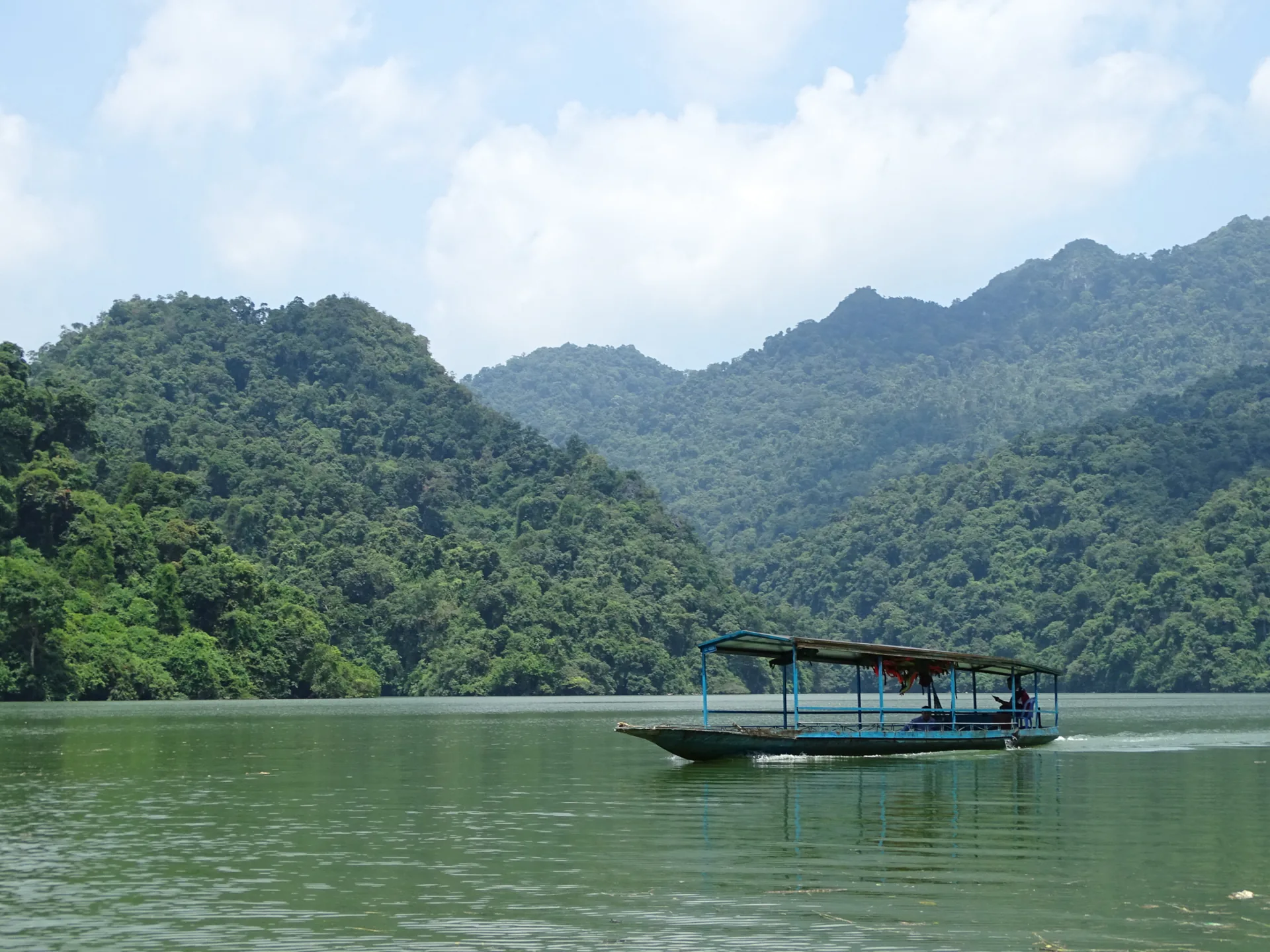
Ba Bể is Vietnam's largest freshwater lake, set inside a national park of limestone forests and karst cliffs 240km north of Hanoi. The lake's three connected basins cover 5 sq km and are surrounded by hills that shelter gibbons, black bears, and over 300 bird species.

Ba Bể Lake — glassy, enormous, and ringed by limestone cliffs — one of Vietnam's most serene national parks
What to do: Boat tours across the lake, kayaking, trekking to Puong Cave (millions of bats), overnight homestays in Tày ethnic minority villages. Sunrise on the lake is exceptional.
Base: Homestay villages near the park entrance; 6h by bus from Hanoi.
Hoàng Liên (Lào Cai Province)
The Hoàng Liên national park protects the Hoàng Liên Son mountain range, including Fansipan (3,147m) — Vietnam's highest peak. The park's sub-alpine forests contain temperate species found nowhere else in Southeast Asia at this latitude.
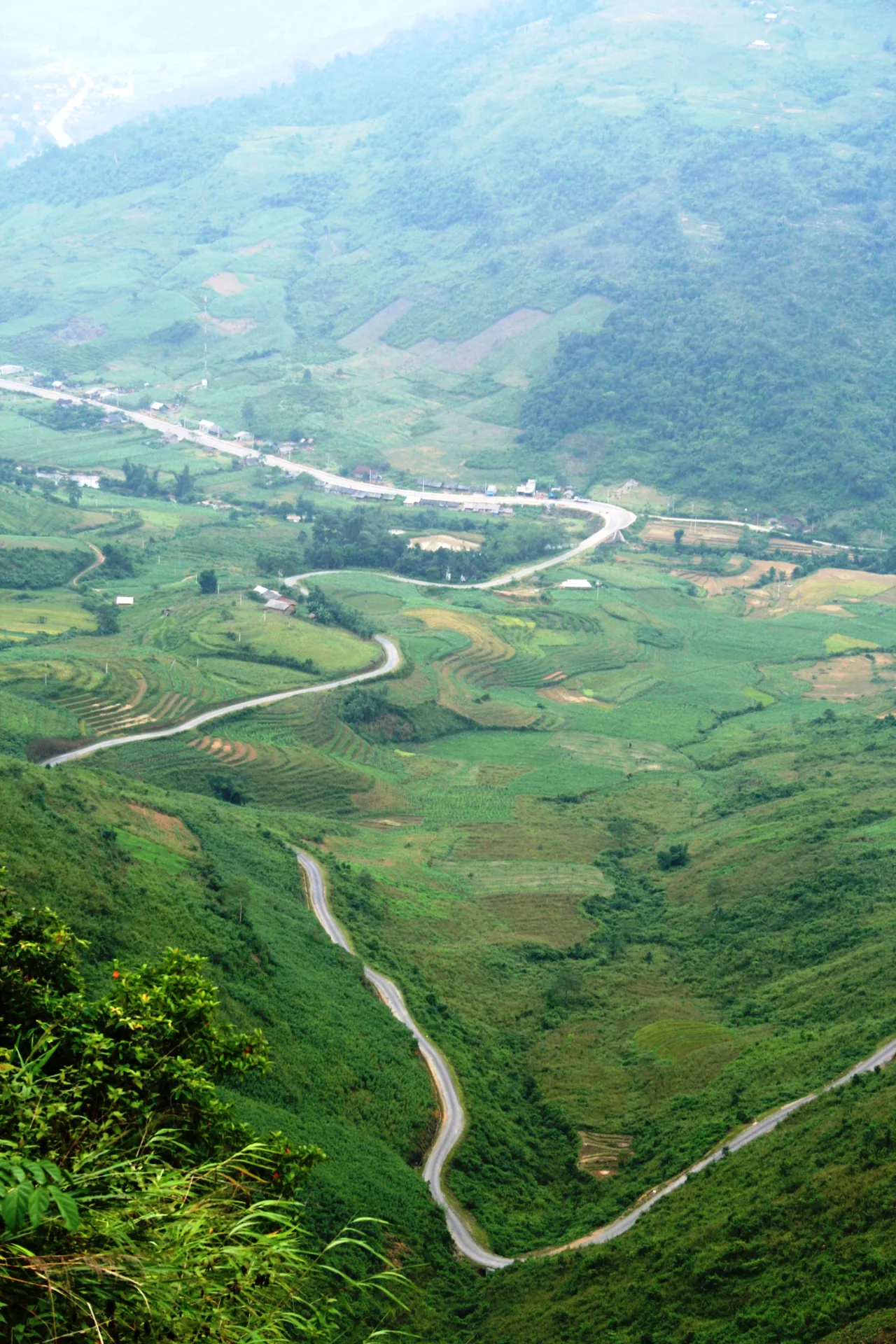
Northern Vietnam's mountain terrain — the Hoàng Liên Son range rises dramatically above the Muong Hoa Valley
Fansipan access: Cable car from Sa Pa (15 minutes, returns in any weather) or 2–3 day trek via several routes. The trek requires a licensed guide; conditions above 2,500m can be cold and wet even in summer.
Base: Sa Pa town, accessible by overnight train from Hanoi to Lào Cai then bus, or direct bus.
Cúc Phương (Ninh Bình Province)
Cúc Phương is Vietnam's oldest national park (est. 1962) and the most accessible from Hanoi — 130km south on good roads. The park is primarily known for its Endangered Primate Rescue Center, which houses langurs and lorises, and for ancient tree specimens, including a 1,000-year-old fig.
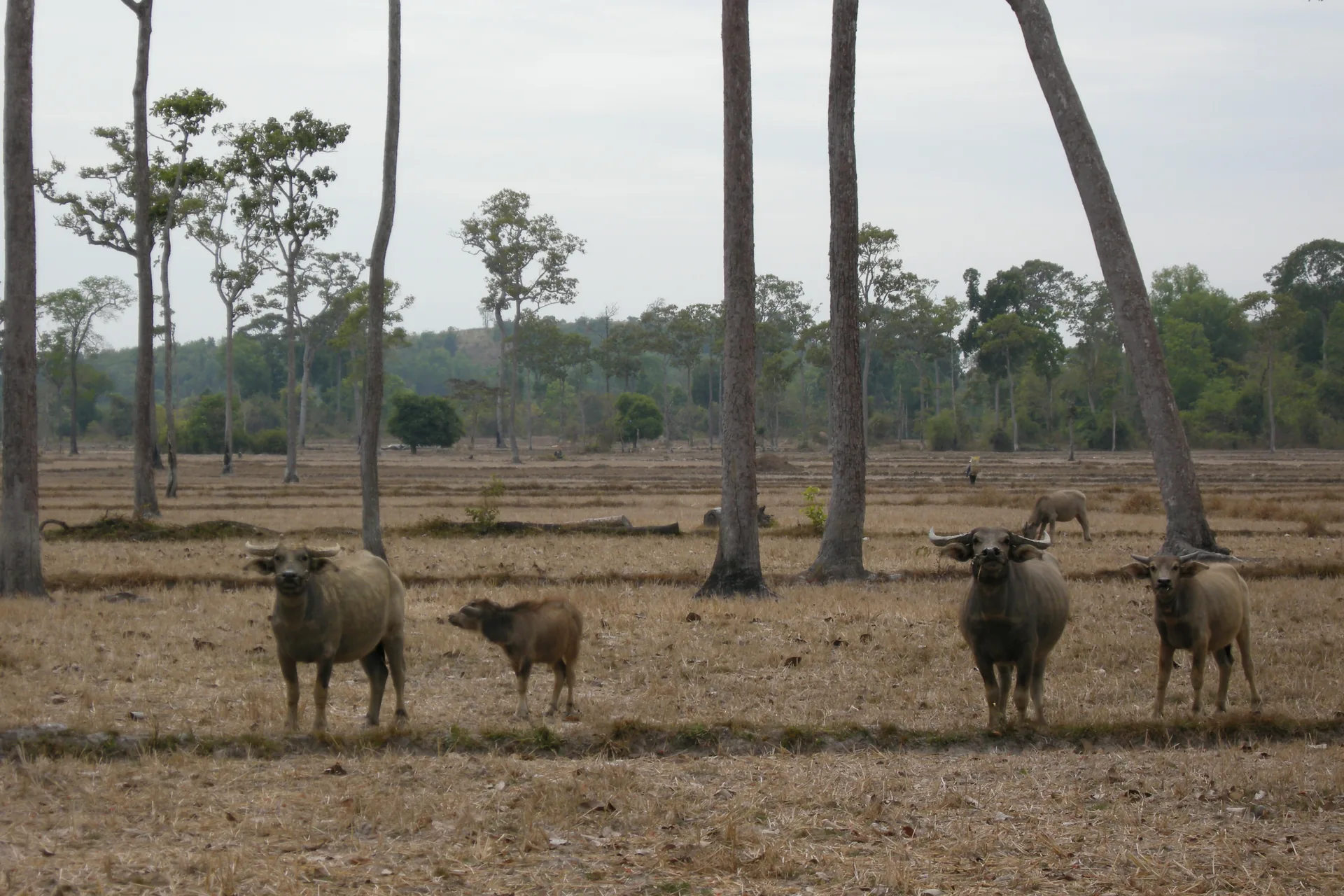
Ancient trees in Cúc Phương — the park's old-growth forest contains specimens over 1,000 years old
What to do: Primate Rescue Center (rescued slow lorises, Delacour's langurs), Ancient Tree trail, overnight jungle camping. Birdwatching is excellent March–May before the summer heat.
Base: Park guesthouse; easy day trip or overnight from Hanoi or Ninh Bình.
Mekong Delta: Tràm Chim (Đồng Tháp Province)
Tràm Chim is Vietnam's most important wetland national park — a 7,600-hectare refuge for the critically endangered Sarus Crane, one of only three known breeding populations in the world. The flood-season landscape (July–November) transforms the park into a vast shallow lake dotted with waterbirds.
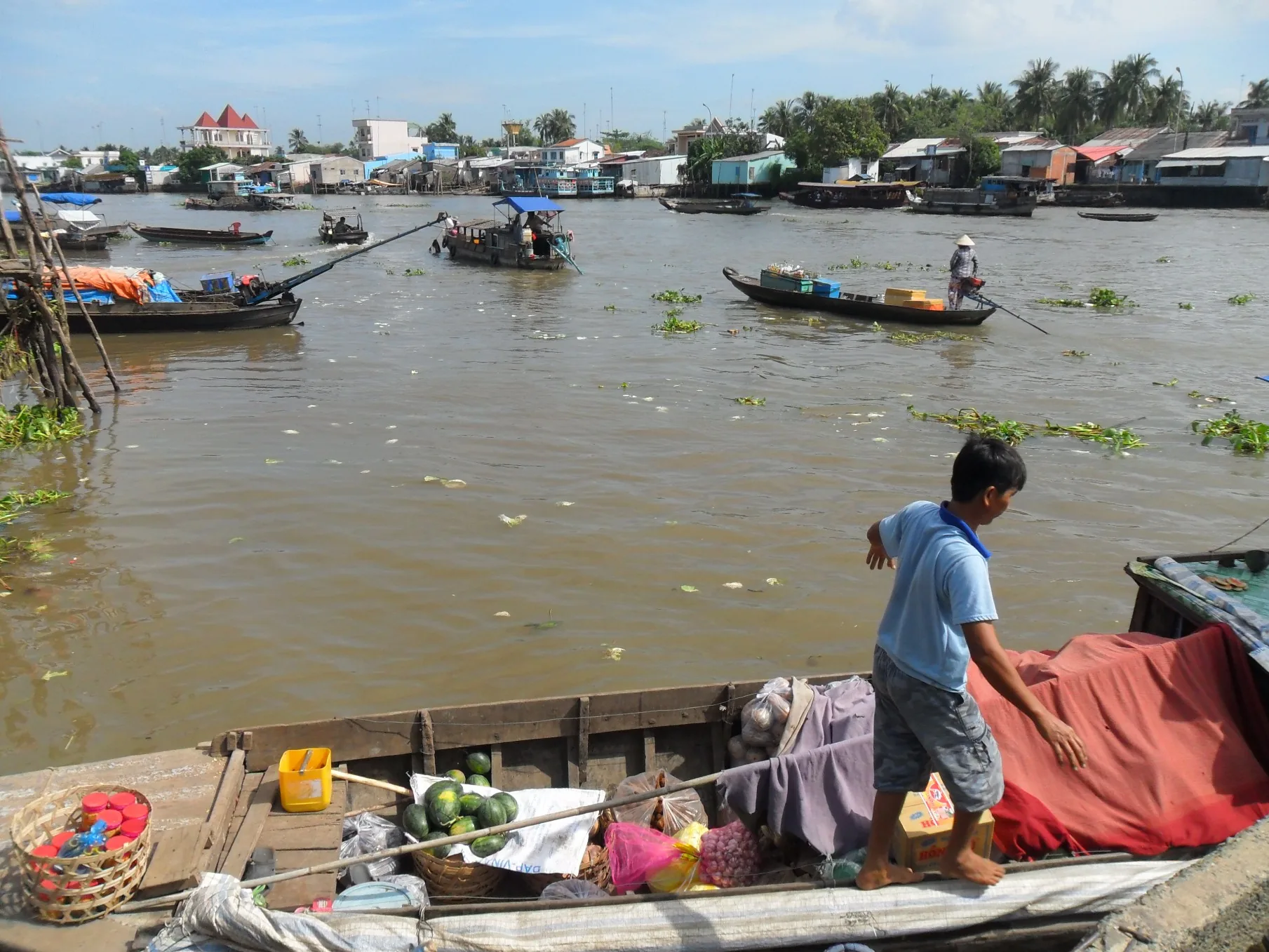
The Mekong Delta wetlands — flat, flooded, and home to bird species found nowhere else in Vietnam
What to do: Boat tours at dawn and dusk for Sarus Crane sightings, birdwatching from watchtowers, wetland cycling. Best visited November–January (dry season) or July–August (flood season peak).
Base: Cao Lãnh town, 3h from Ho Chi Minh City.
Practical Guide
Getting there: Most parks require private or hired transport for the final approach — public buses reach nearby towns but rarely the park entrance. Motorbike rental is practical for parks in the north; guided tours handle logistics in the south.
When to go: Lowland parks (Cát Tiên, Cúc Phương) are best October–April; mountain parks (Hoàng Liên) are best March–May and September–November; Phong Nha is accessible year-round but caves close during heavy rain.
Guides: Required for Son Doong and recommended for most trekking. Park offices can arrange certified guides.
Information notice: Prices, opening hours, and travel conditions can change. Content on EnViet is reviewed periodically but may not reflect the most current situation. Please verify important details with official or local sources before travelling or booking.
EnViet Editorial Team
The EnViet Editorial Team creates practical Vietnam travel and food guides using local knowledge, public sources, and manual editorial review. Content is reviewed before publication and updated periodically.