Vietnam's UNESCO World Heritage Sites: A Complete Guide
Vietnam has eight UNESCO World Heritage Sites — a remarkable count for a country of its size, covering natural wonders, ancient cities, imperial complexes, and living cultural traditions. Together they span 4,000 years of civilisation and range from the driest karst plateau in the country to some of Southeast Asia's most spectacular cave systems. Here is each one, with what to know before you go.
1. Ha Long Bay (Natural — 1994, extended 2000)
Ha Long Bay's 1,553 sq km of emerald water and 1,600 limestone islands is Vietnam's most recognisable landscape. The bay was inscribed twice — first for its scenery, then extended for its geological significance as one of the world's finest examples of marine karst.
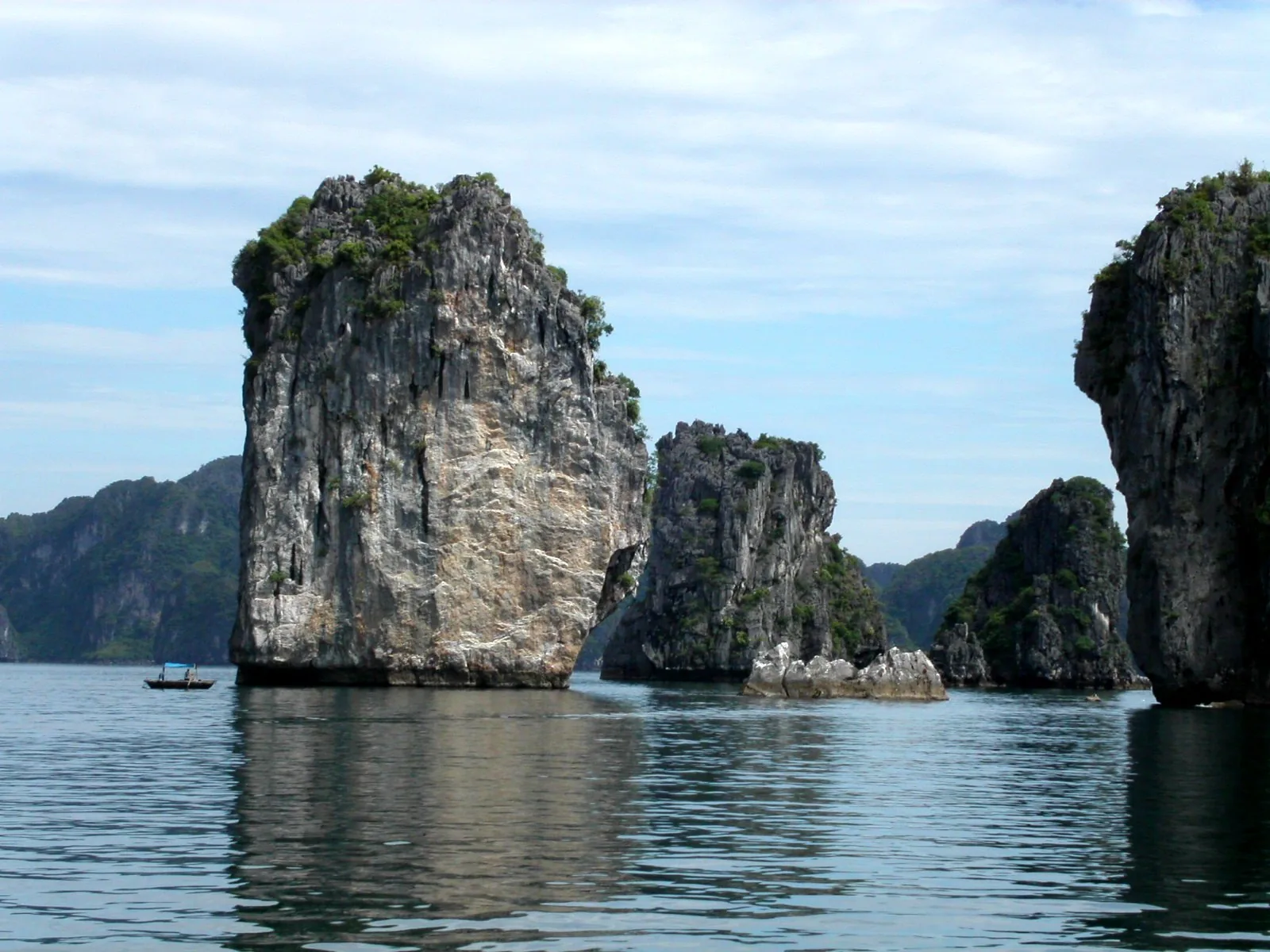
Ha Long Bay — inscribed on the UNESCO list in 1994 for outstanding scenic beauty and geological value
Highlights: Thiên Cung Cave, floating fishing villages, kayaking through arches. Best approach: 2-day/1-night cruise from Hanoi (3.5h drive). See also: Lan Ha Bay for quieter alternatives.
2. Hội An Ancient Town (Cultural — 1999)
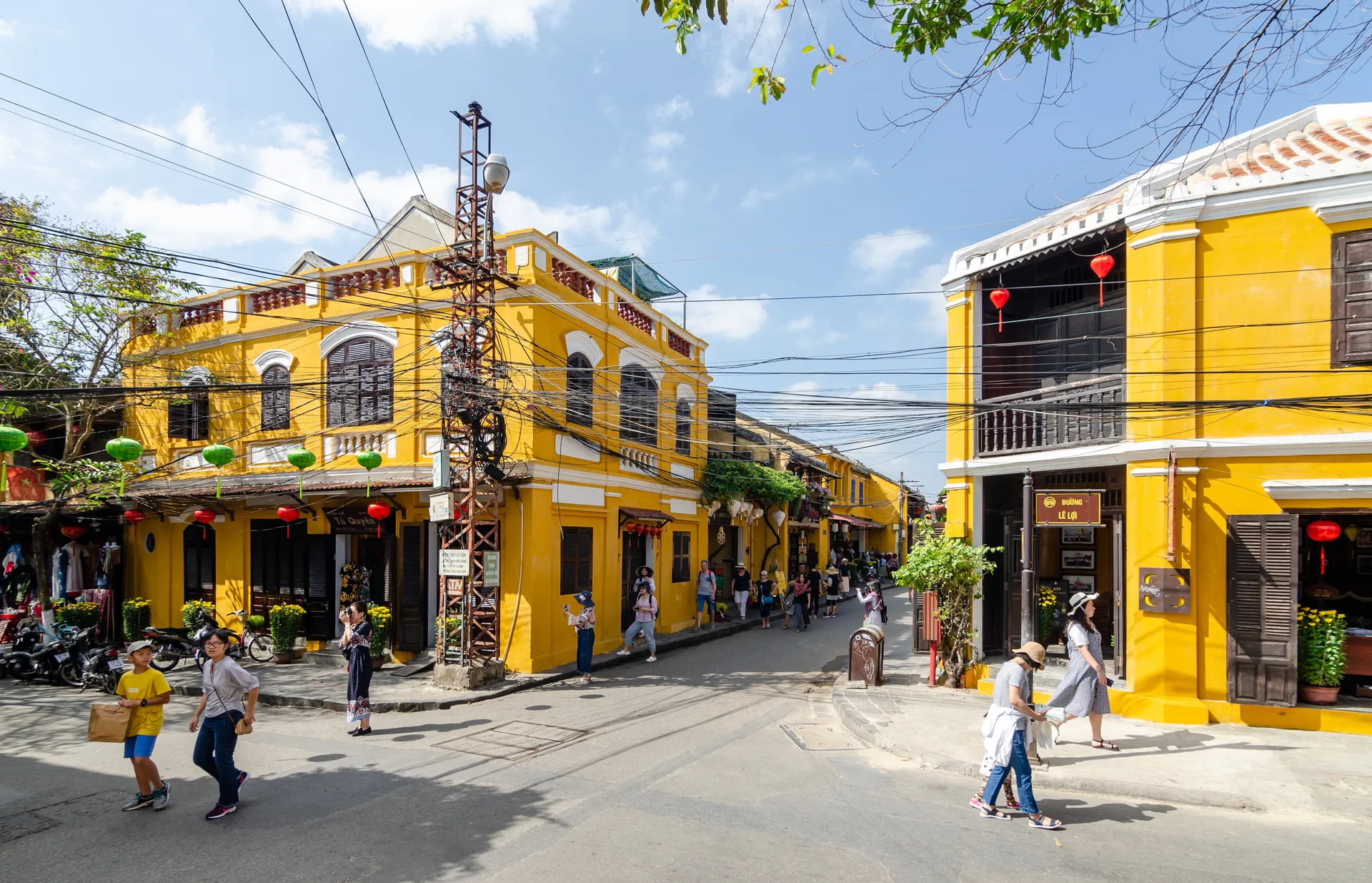
Hội An was Vietnam's most important trading port from the 15th to 19th centuries. Its Old Quarter preserves over 1,000 timber-frame buildings — Japanese merchant houses, Chinese assembly halls, and French colonial shopfronts — nearly untouched by the wars that damaged so much of Vietnam's heritage.

Hội An's Old Quarter — the lanterns are lit every evening, but the architecture itself is what earned UNESCO status
Highlights: Japanese Covered Bridge, Tan Ky Old House, tailors, full-moon lantern festival. Best approach: Base yourself in Hội An for 2–3 nights; the Old Quarter is fully walkable. Arrive early morning or evening — midday heat and crowds make exploration uncomfortable.
3. Mỹ Sơn Sanctuary (Cultural — 1999)
Mỹ Sơn is the most extensive Hindu temple complex in Southeast Asia outside of Angkor. Built by the Cham civilisation between the 4th and 14th centuries, the site once contained over 70 towers; US bombing in 1969 destroyed many, but around 20 structures survive in varying states of preservation.
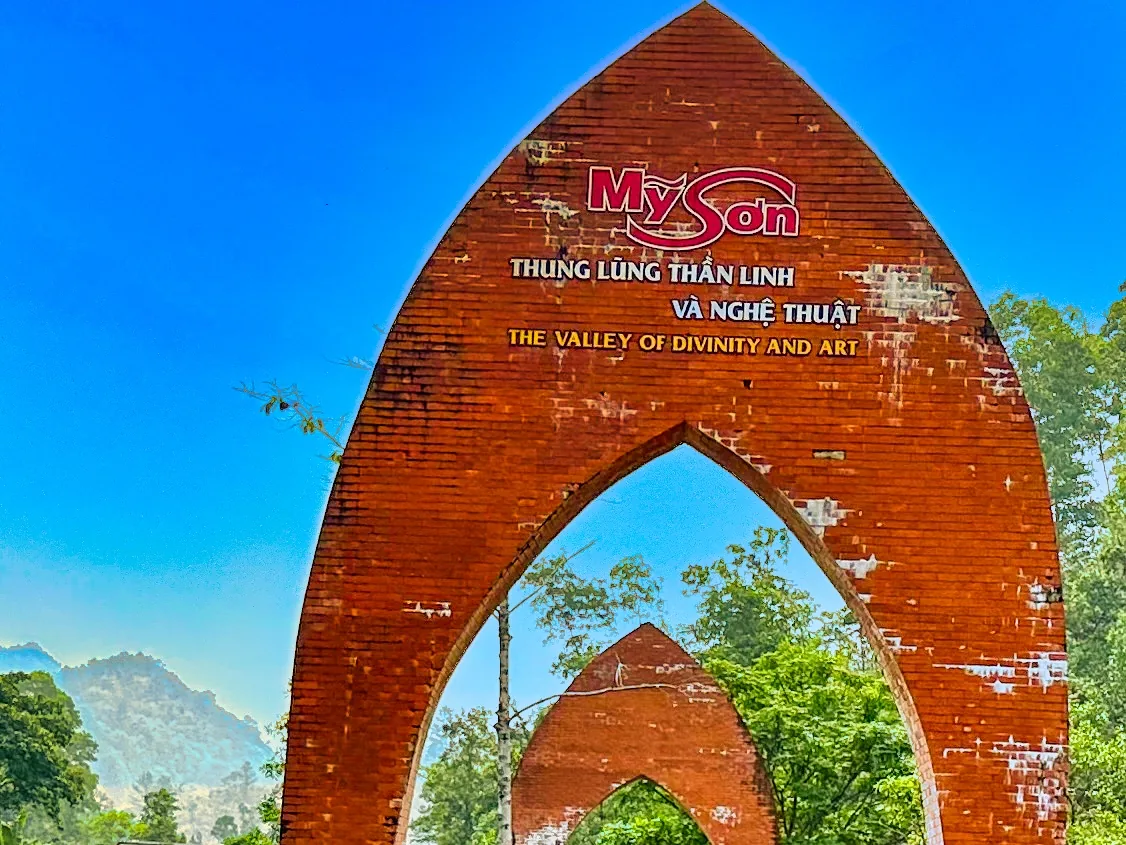
Mỹ Sơn — the spiritual heart of the Cham Kingdom, still radiating a quiet power despite wartime damage
Highlights: Groups A, B, C, D tower clusters; the site museum. Best approach: Half-day trip from Hội An (40 minutes). Go at opening time (6am) before tour buses arrive. The jungle setting in early morning mist is extraordinary.
4. Huế Complex of Monuments (Cultural — 1993)
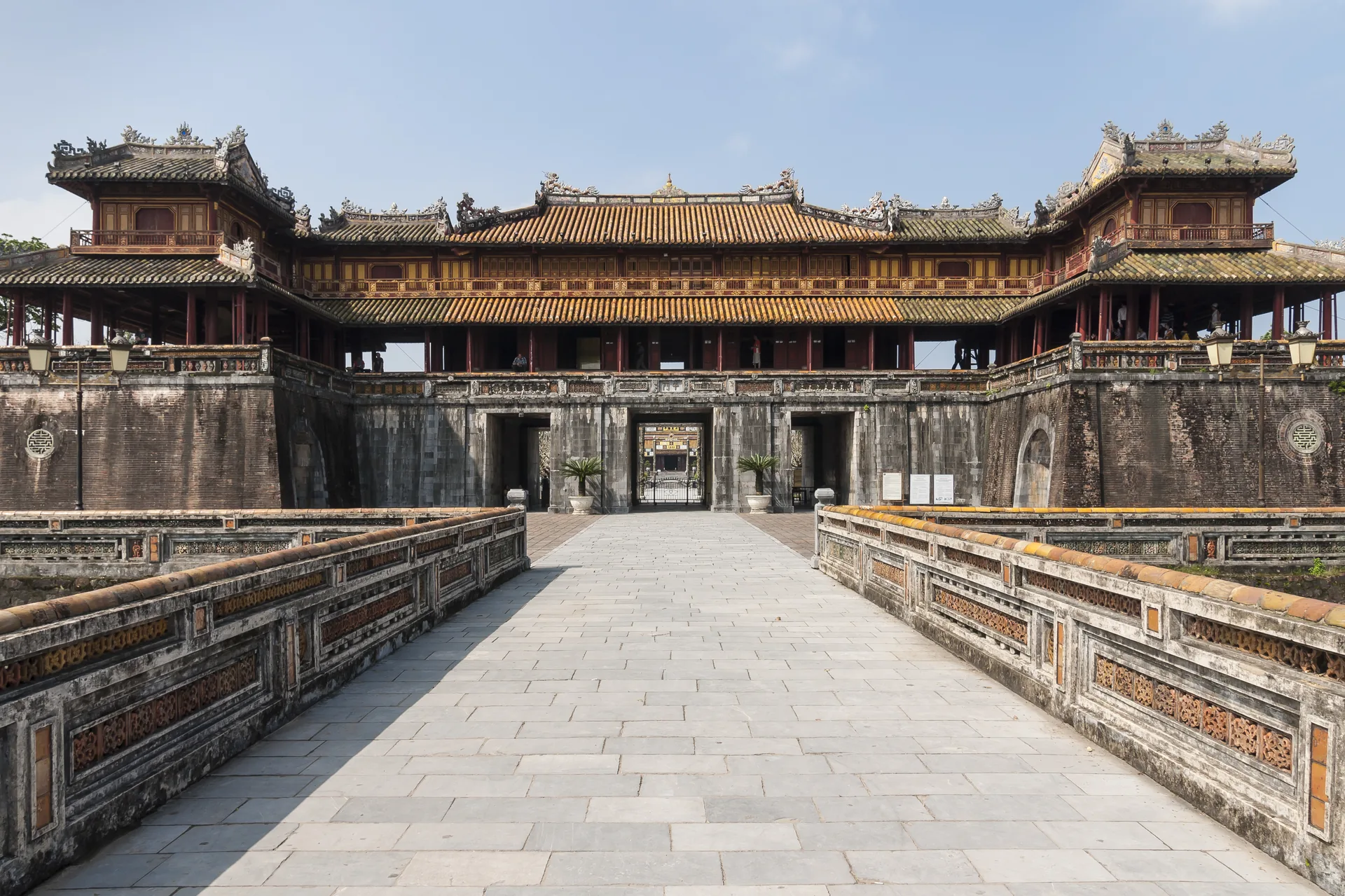
Vietnam's first UNESCO listing covers the entire imperial complex of the Nguyễn Dynasty (1802–1945): the Citadel, the Imperial City inside it, royal tombs scattered along the Perfume River, and Thiên Mụ Pagoda.

The Hue Citadel — modelled on Beijing's Forbidden City but built with Vietnamese proportions and sensibility
Highlights: Meridian Gate, Thai Hoa Palace, Minh Mang Tomb, Khai Dinh Tomb. Best approach: 2 days in Huế — one for the Citadel, one for the river tombs by boat or motorbike.
5. Phong Nha-Kẻ Bàng National Park (Natural — 2003, extended 2015)
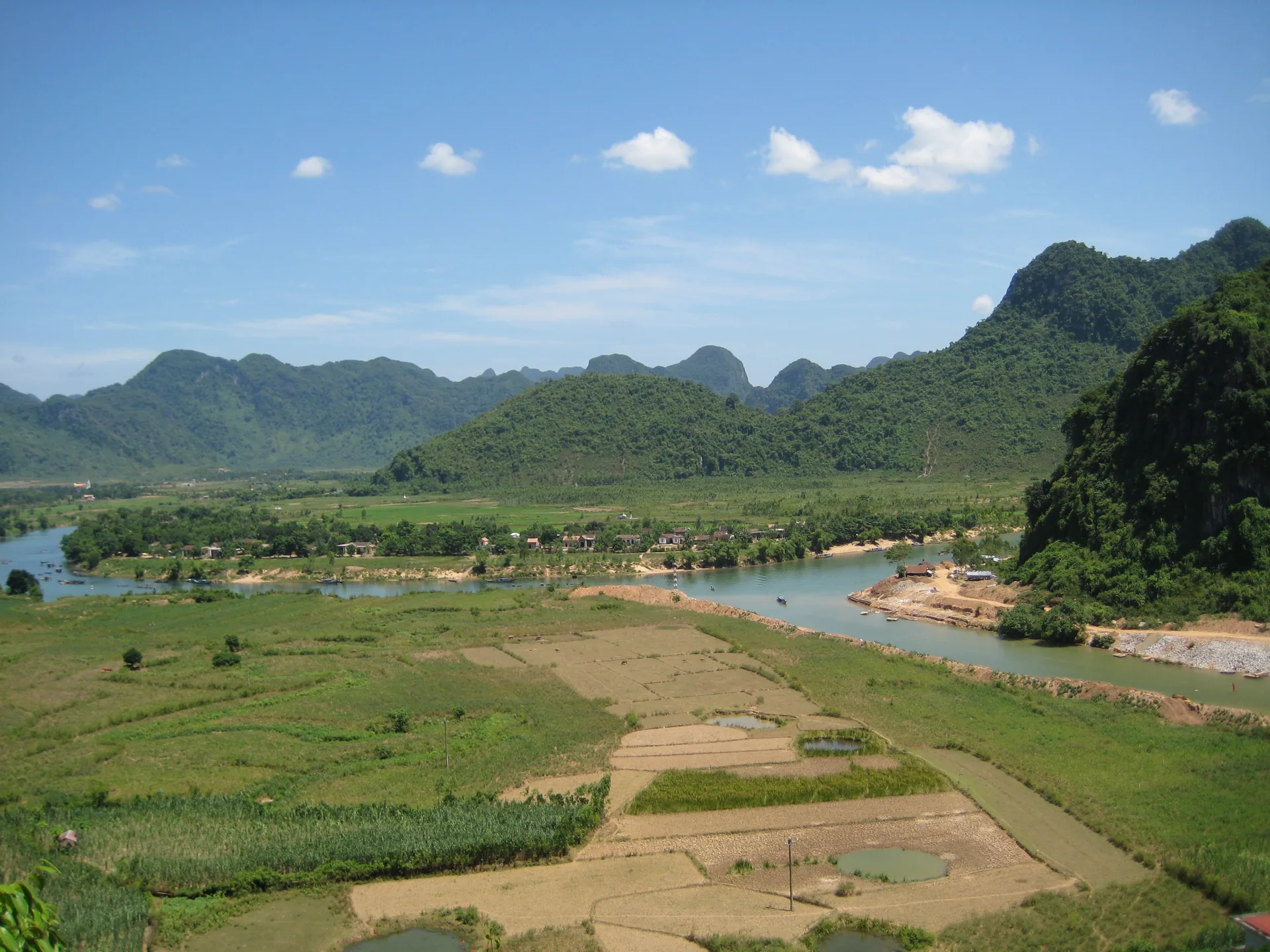
This karst massif in Quảng Bình Province contains the world's largest cave — Hang Sơn Đoòng — plus hundreds of other caves, many unexplored. The park covers 885 sq km of ancient limestone and primary forest.

Phong Nha-Kẻ Bàng — the entrance cave alone has a river running through it; Son Doong requires a 4-day expedition
Highlights: Phong Nha Cave (boat entry), Paradise Cave (10km long), Son Doong Cave (expedition, $3,000+). Base: Phong Nha village, 2.5h from Đồng Hới by bus.
6. Tràng An Scenic Landscape Complex (Mixed — 2014)
Vietnam's only mixed (natural and cultural) UNESCO site combines the karst topography of Tràng An, Bái Đính, and Hoa Lư. Hoa Lư was Vietnam's capital in the 10th century — the temples of the Đinh and Lê dynasties remain there.

Tràng An — the 3-hour boat tour passes through nine caves and emerges into valley after valley of flooded karst
Highlights: Tràng An boat tour (3 hours, through 9 caves), Hoa Lư ancient capital, Bái Đính Pagoda. Base: Ninh Bình, 2h from Hanoi — possible as a day trip.
7. Đồng Văn Karst Plateau (Global Geopark — 2010, renewed regularly)
Technically a UNESCO Global Geopark rather than a World Heritage Site, but listed here for completeness. The Đồng Văn plateau in Hà Giang Province contains some of Asia's oldest rock formations (400–600 million years), plus the spectacular Mã Pí Lèng Pass and minority ethnic villages.
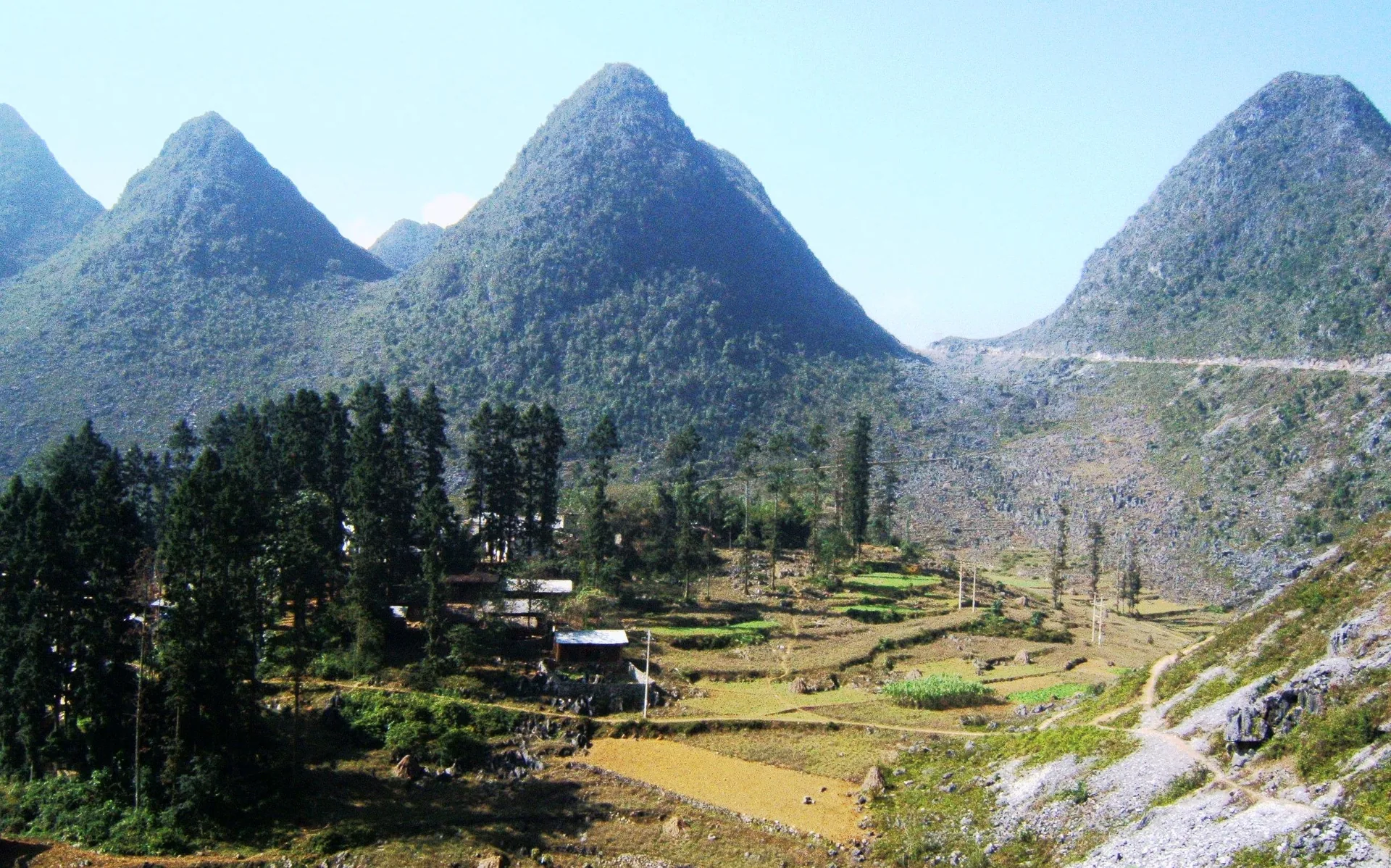
Đồng Văn plateau — the rock is 400–600 million years old; the Sunday markets have been running for centuries
Best approach: 4-day motorbike loop from Hà Giang city.
Practical Notes
Combining sites: A classic Vietnam itinerary links Hanoi → Hà Long Bay → Huế → Hội An → Mỹ Sơn, hitting four UNESCO sites in two weeks. Adding Phong Nha adds one more without significant detour.
Entrance fees: Range from free (some Huế tombs) to $3,000+ (Son Doong). Hội An charges a combined ticket (~120,000 VND) that covers five historic buildings.
Best time: The central sites (Huế, Hội An, Mỹ Sơn) are best October–March; avoid September–November when typhoon season brings flooding to Hội An. Ha Long and Tràng An are year-round with seasonal preferences.
Information notice: Prices, opening hours, and travel conditions can change. Content on EnViet is reviewed periodically but may not reflect the most current situation. Please verify important details with official or local sources before travelling or booking.
EnViet Editorial Team
The EnViet Editorial Team creates practical Vietnam travel and food guides using local knowledge, public sources, and manual editorial review. Content is reviewed before publication and updated periodically.