
Vegetarian and Vegan Eating in Vietnam
Vietnam has a long tradition of vegetarian eating — not from health trends, but from Buddhism. On the 1st and 15th of each lunar month, millions of Vietnamese observe chay (Buddhist vegetarian days), and the country has sustained a parallel vegetarian food culture for centuries. This means that unlike many Asian cuisines, Vietnamese cooking has a developed vegetarian vocabulary that goes far beyond "remove the meat."
For travellers, this is good news. But there are also genuine challenges — fish sauce is foundational to Vietnamese cooking, broth is almost always meat-based, and kitchen cross-contamination is the norm rather than the exception. Here's a practical guide to navigating it.
The Buddhist Vegetarian Tradition
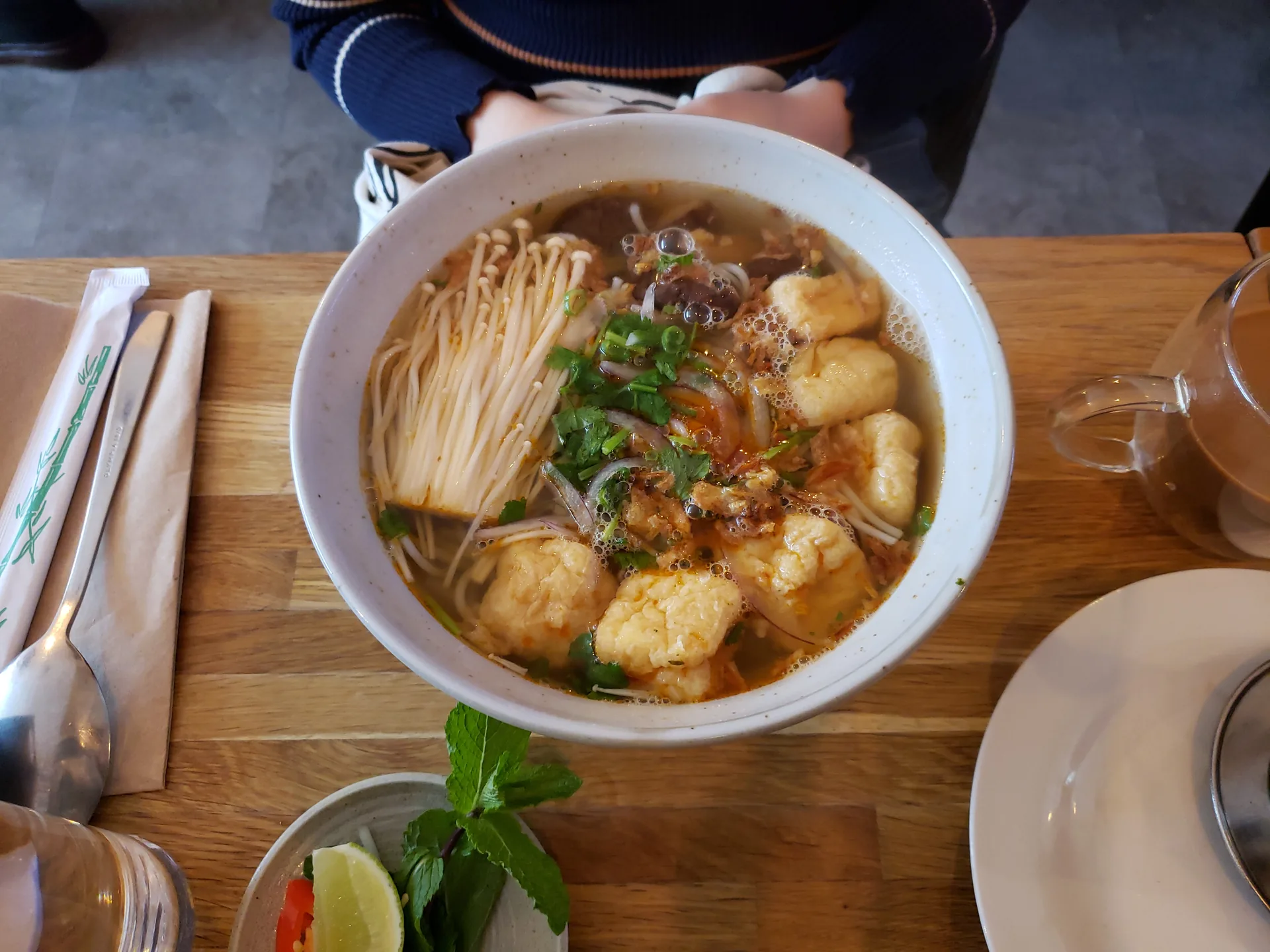
On lunar feast days, cơm chay (vegetarian rice plate) restaurants open across Vietnam. These are different from everyday restaurants that add a vegetarian option — they're dedicated Buddhist vegetarian establishments with menus built entirely around plant-based cooking, often using mock meats made from tofu, gluten, and mushroom.

Cơm chay — Buddhist vegetarian food that replicates meat dishes using tofu and wheat gluten with remarkable accuracy
These restaurants are found near pagodas and in Vietnamese neighbourhoods rather than tourist areas. They are cheap, authentic, and serve food that tastes nothing like Western "vegetarian" cuisine. Ordering is easy: point at dishes or ask for a set plate.
Hội An has a particularly well-developed cơm chay scene; the morning market district has several permanent vegetarian restaurants. Huế, as a former imperial capital with strong Buddhist traditions, is also excellent.
What's Naturally Vegetarian
A surprising number of Vietnamese dishes are vegetarian or easily adapted:
Gỏi cuốn (fresh spring rolls): rice paper rolls with vermicelli, lettuce, herbs, and optional protein — ask for tofu or just vegetables. The dipping sauce (hoisin-peanut) is usually vegan.
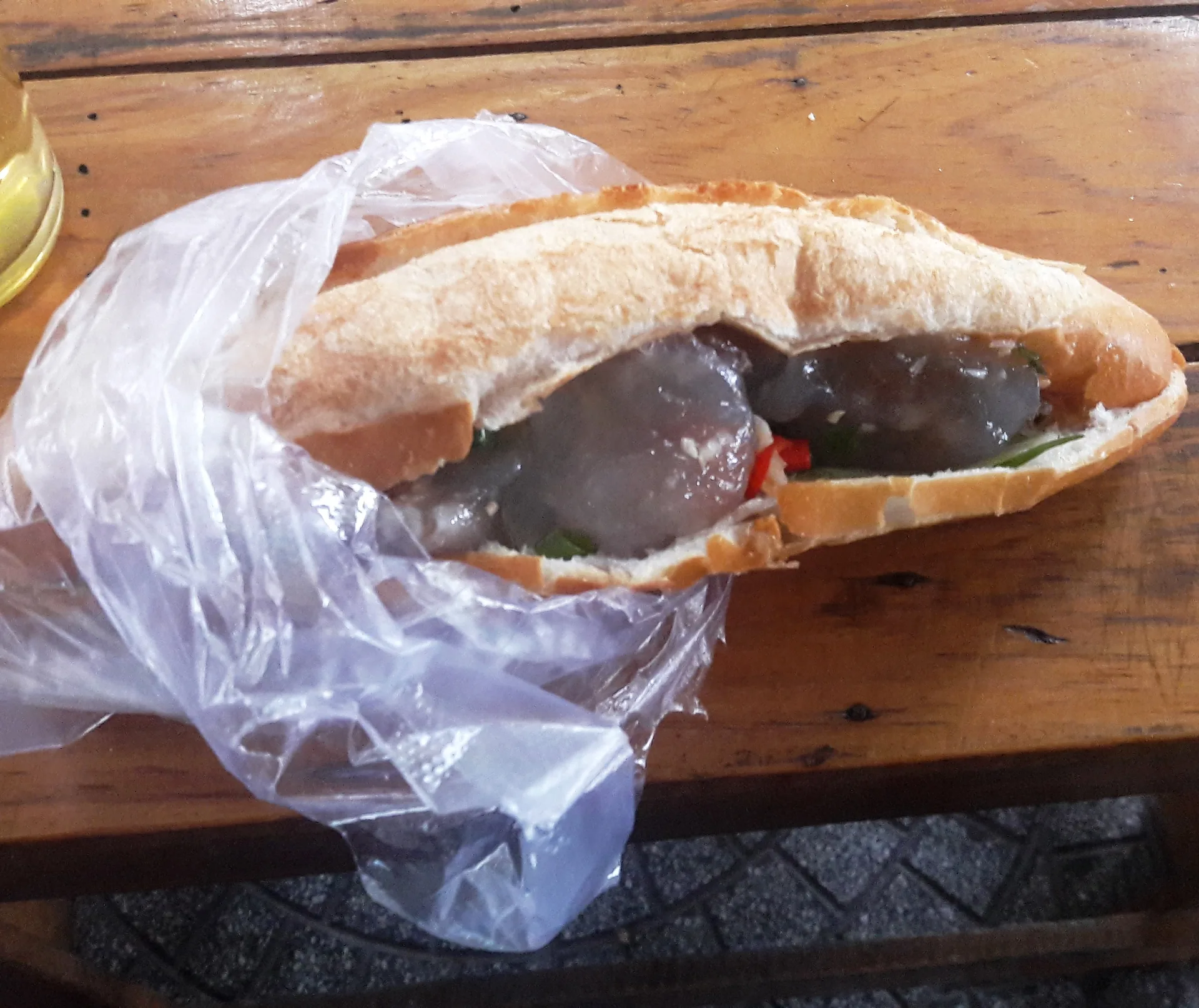
Bánh mì chay: The iconic Vietnamese sandwich with vegetarian fillings — fried tofu, pickled vegetables, fresh chilli, and coriander. Available at most bánh mì stalls on request.

Bánh mì chay — the vegetarian version of Vietnam's most famous sandwich, filled with tofu, pickles, and fresh herbs
Xôi (sticky rice): Plain glutinous rice topped with mung bean, peanuts, or sesame — naturally vegan and available at breakfast stalls from 6am.
Chè (sweet desserts): Vietnam's broad range of dessert soups and drinks — coconut, mung bean, taro, lotus seed — are mostly plant-based.
Cơm rang (fried rice) with vegetables: Available everywhere, though cross-contamination with chicken stock is likely.
The Fish Sauce Problem
Almost all Vietnamese savoury food contains fish sauce (nước mắm) or shrimp paste (mắm ruốc). This includes dishes that appear vegetarian: vegetable soup, stir-fries, rice, dipping sauces. Restaurants that cater to Buddhist vegetarians use soy sauce instead — but a standard restaurant will rarely substitute without being specifically asked.
The phrase "Không có thịt, cá, hoặc nước mắm" (no meat, fish, or fish sauce) is worth learning or showing to servers.
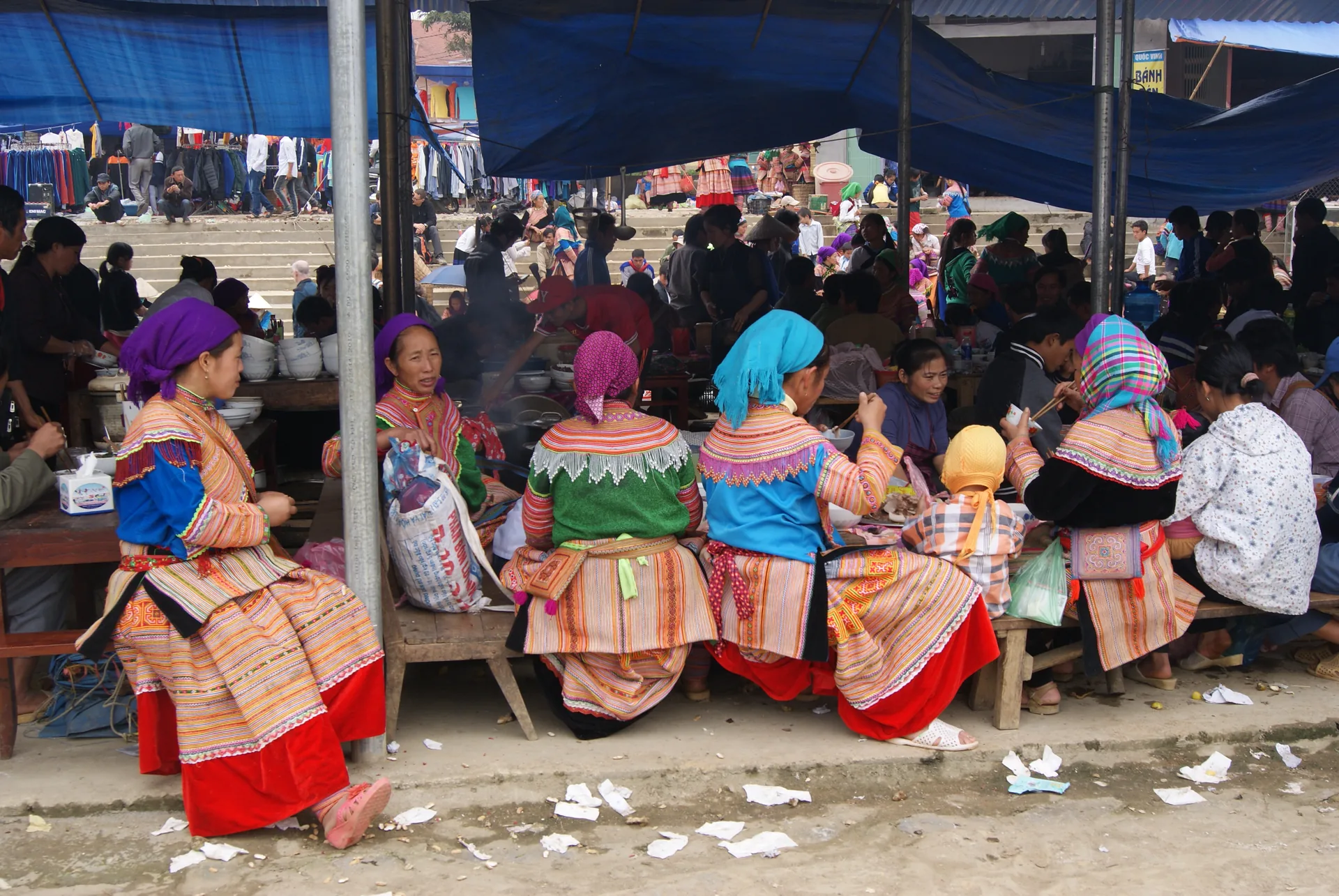
Street food markets — rich with vegetable ingredients, but fish sauce is used in nearly every dish at standard stalls
For strict vegans, dedicated Buddhist vegetarian restaurants (cơm chay) are the safest option, as they deliberately avoid all animal products including fish sauce and shrimp paste.
Fresh Market Produce
Vietnam's fresh produce markets (chợ) are extraordinary for self-catering vegetarians. Seasonal fruit, fresh herbs (mint, coriander, perilla, lemongrass, betel leaf), tropical vegetables, tofu varieties, and fresh rice noodles are all available cheaply and in abundance.

Morning market in Vietnam — seasonal vegetables, fresh herbs, and multiple tofu varieties available from 5am
Major markets worth visiting for produce: Bến Thành (Ho Chi Minh City), Đồng Xuân (Hanoi), Hội An Central Market, Đà Lạt Market (the highland vegetable capital of Vietnam).
Best Cities for Vegetarian Eating
Hội An leads for dedicated vegetarian restaurants — particularly good around the Japanese Bridge and morning market. The Lantern Town night market has vegetarian stall options.
Đà Lạt (Da Lat) is Vietnam's vegetable-growing heartland. The cool climate produces the best temperate vegetables in the country — artichokes, strawberries, avocados, and over 100 varieties of flower. The town has a growing vegetarian café scene.
Huế has the strongest Buddhist vegetarian tradition of any major Vietnamese city. Lunch at a monastery — sometimes open to visitors — is an exceptional experience.

Buddhist monasteries in Huế — some serve simple vegetarian lunch meals to visitors on lunar feast days
Key Phrases
| Vietnamese | Meaning |
|---|---|
| Tôi ăn chay | I eat vegetarian |
| Không có thịt | No meat |
| Không có cá | No fish |
| Không có nước mắm | No fish sauce |
| Có tofu không? | Is there tofu? |
| Cơm chay ở đâu? | Where is a vegetarian restaurant? |
Practical Summary
Vietnam is navigable for vegetarians — particularly in tourist areas where restaurants understand dietary requests. It is harder for vegans outside dedicated Buddhist vegetarian establishments. The best strategy: identify a nearby cơm chay restaurant on arrival, learn a few key phrases, and lean into the fruit, desserts, sticky rice, and fresh spring roll culture that's genuinely vegan-friendly.
Information notice: Prices, opening hours, and travel conditions can change. Content on EnViet is reviewed periodically but may not reflect the most current situation. Please verify important details with official or local sources before travelling or booking.
EnViet Editorial Team
The EnViet Editorial Team creates practical Vietnam travel and food guides using local knowledge, public sources, and manual editorial review. Content is reviewed before publication and updated periodically.