Vietnamese Coffee Culture: From Egg Coffee to Third-Wave Roasters
Vietnam is the world's second-largest coffee exporter, trailing only Brazil. But while most Vietnamese coffee leaves the country as commodity robusta beans destined for instant blends, inside Vietnam a distinct coffee culture has developed — one built around slow drip filters, sweetened condensed milk, and sitting on tiny plastic stools watching the street go by. Increasingly, it's also about specialty roasters, single-origin lots, and a generation of Vietnamese coffee drinkers who cup as seriously as anyone in Melbourne or Portland.
The Phin: Vietnam's Slow Drip Method
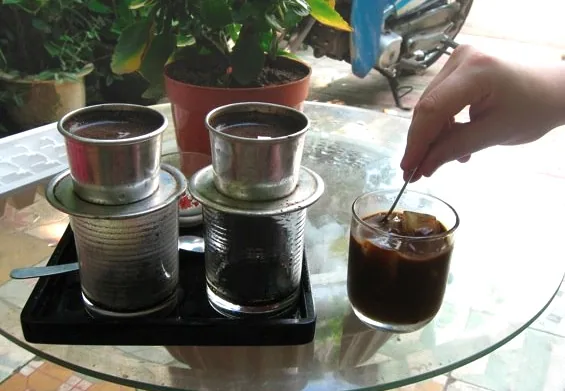
The phin is Vietnam's signature brewing device — a small aluminum or stainless filter that sits on top of a glass and drips coffee slowly over 4–5 minutes. It's inexpensive, virtually unbreakable, and produces a concentrated brew that is typically served over condensed milk (cà phê sữa đá) or drunk black over ice (cà phê đen đá).

The phin filter — unchanged in design for generations, found in every café, kitchen, and roadside stall
The phin-and-condensed-milk combination emerged during the French colonial period when fresh milk was scarce. Sweetened condensed milk solved the problem — and became so embedded in the culture that most Vietnamese still prefer it to fresh milk, even now that dairy is widely available.
Cà Phê Trứng: Egg Coffee
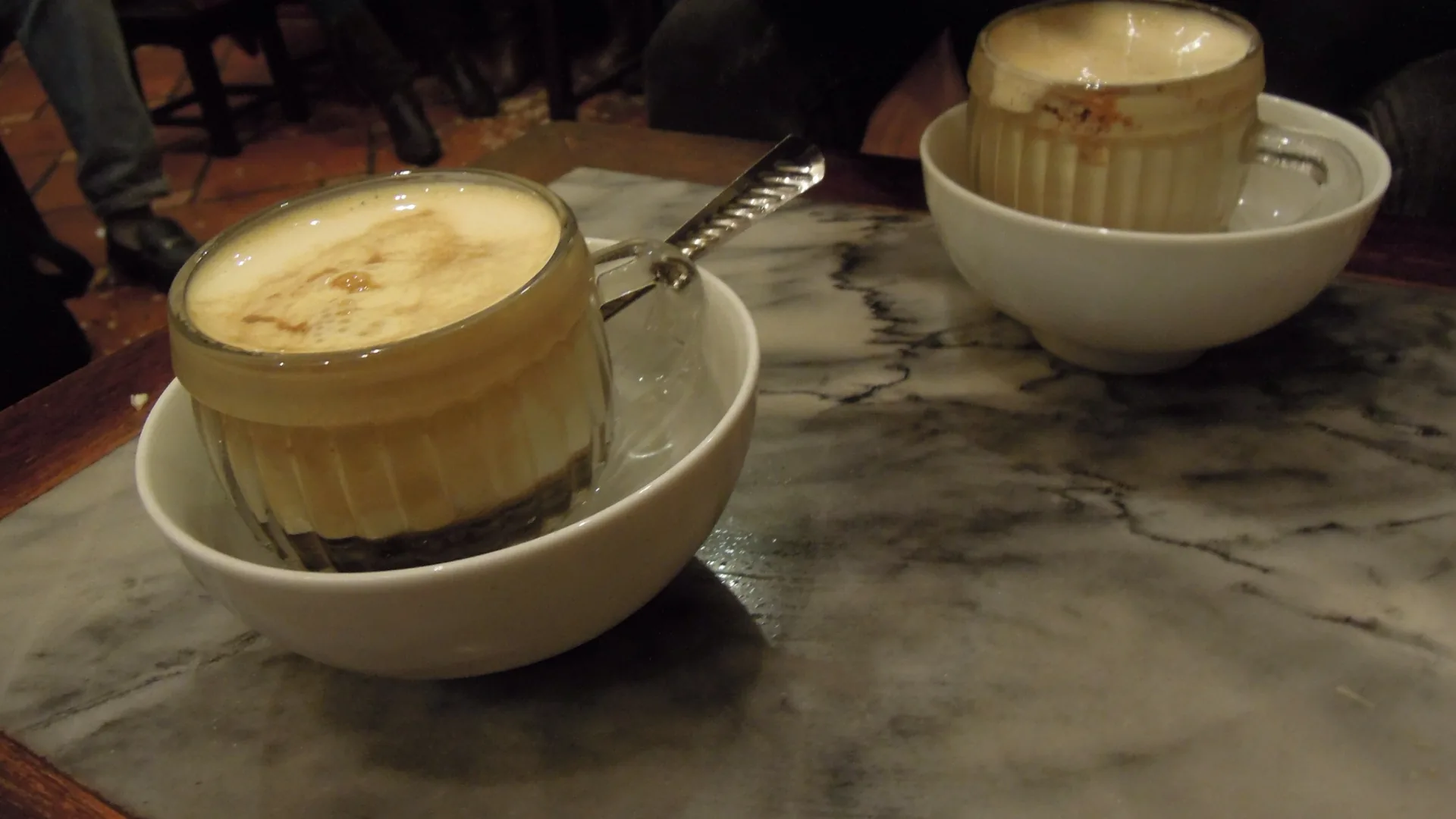
Hanoi's most famous coffee invention is cà phê trứng — egg coffee — which dates to the 1940s when milk shortages led a bartender at the Sofitel Metropole (then the Hôtel Métropole) to substitute whipped egg yolk. The result was a dessert-like drink: a dense, creamy foam of egg yolk, sugar, and condensed milk served over strong black coffee.

Egg coffee in Hanoi — the yolk-and-condensed-milk foam floats on strong robusta coffee below
The original shop is Cà Phê Trứng Giảng on Đinh Tiên Hoàng, still run by the founder's family. Other Hanoi institutions serving it include Cà Phê Lâm and Café Đinh. Egg coffee is a Hanoi thing — rarely found authentically elsewhere in Vietnam.
Cà Phê Sữa Đá: The National Drink
Cà phê sữa đá (iced coffee with condensed milk) is Vietnam's default order. It appears everywhere: in highway rest stops, at airport gates, in five-star hotel lobbies. The ratio of condensed milk to coffee varies dramatically — some versions are nearly dessert-sweet, others are mostly bitter coffee with a thin swirl of white at the bottom.

Cà phê sữa đá — the ratio of ice, coffee, and condensed milk varies by region and café, and arguments about the correct balance are taken seriously
Regional variation: Saigon coffee tends to be sweeter and more ice-heavy; Hanoians tend to prefer stronger, less-sweet coffee with smaller cups. Da Lat coffee, grown nearby, is considered the best quality for traditional preparation.
The Robusta Question
Vietnam grows mostly Robusta — a variety dismissed by specialty coffee culture for its bitterness and high caffeine content. But Vietnamese robusta from the Central Highlands, properly processed and roasted, has qualities of its own: dark chocolate, rubber, and a heavy body that holds up against condensed milk in a way that washed Arabica never could.
Trung Nguyên — Vietnam's largest coffee brand — pioneered a weasel coffee concept (cà phê chồn) using a civet-style process, making it one of the first Vietnamese brands to sell premium coffee internationally.
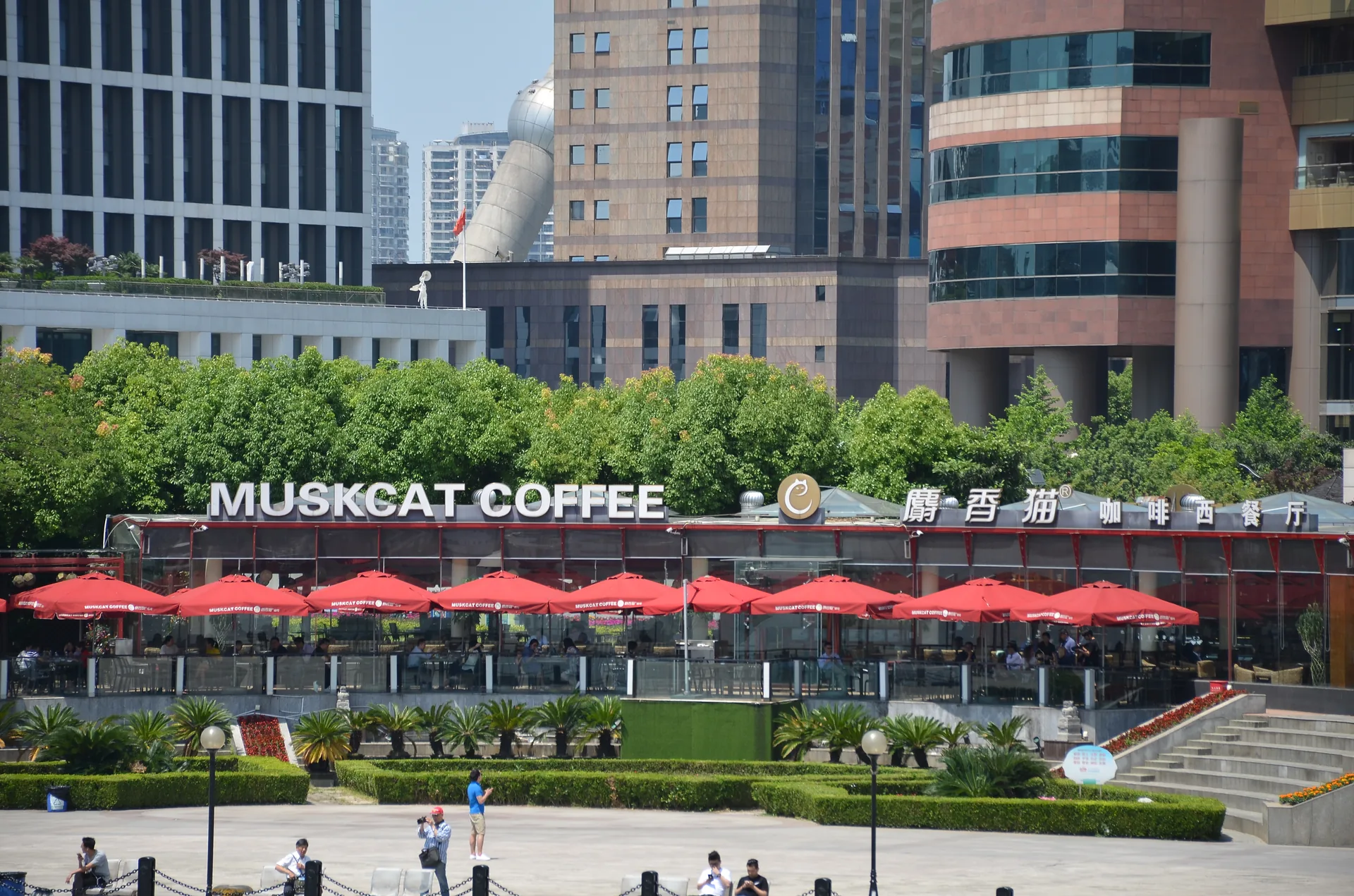
Weasel coffee — cà phê chồn — commands a price premium in Vietnam's specialty café segment
Third-Wave Coffee in Vietnam
Since around 2015, a new generation of Vietnamese-owned specialty cafés has emerged — particularly in Hanoi, Ho Chi Minh City, and Đà Lạt — focused on Arabica lots from the Central Highlands, single-origin processing, and brewing methods that would look at home in any Tokyo or Copenhagen specialty café.
Notable spots:
- The Workshop Coffee (Ho Chi Minh City) — sleek, industrial, excellent pour-overs
- Tranquil Books & Coffee (Hanoi) — specialty coffee and a serious bookshop
- Lacàph (Ho Chi Minh City) — focuses on Vietnamese-grown specialty Arabica
- Maze Coffee (Đà Lạt) — situated in the highlands near the farms

A specialty coffee shop in Ho Chi Minh City — Vietnam's third-wave scene has grown rapidly since 2015
Coffee Shop Culture
In Vietnam, a café is not primarily about coffee — it's about time. Spending two hours at a table over one glass of iced coffee is completely normal; no one will rush you. Café culture fills several social roles: first dates, business meetings, student study sessions, and the afternoon lull when heat makes outdoor activity unpleasant.
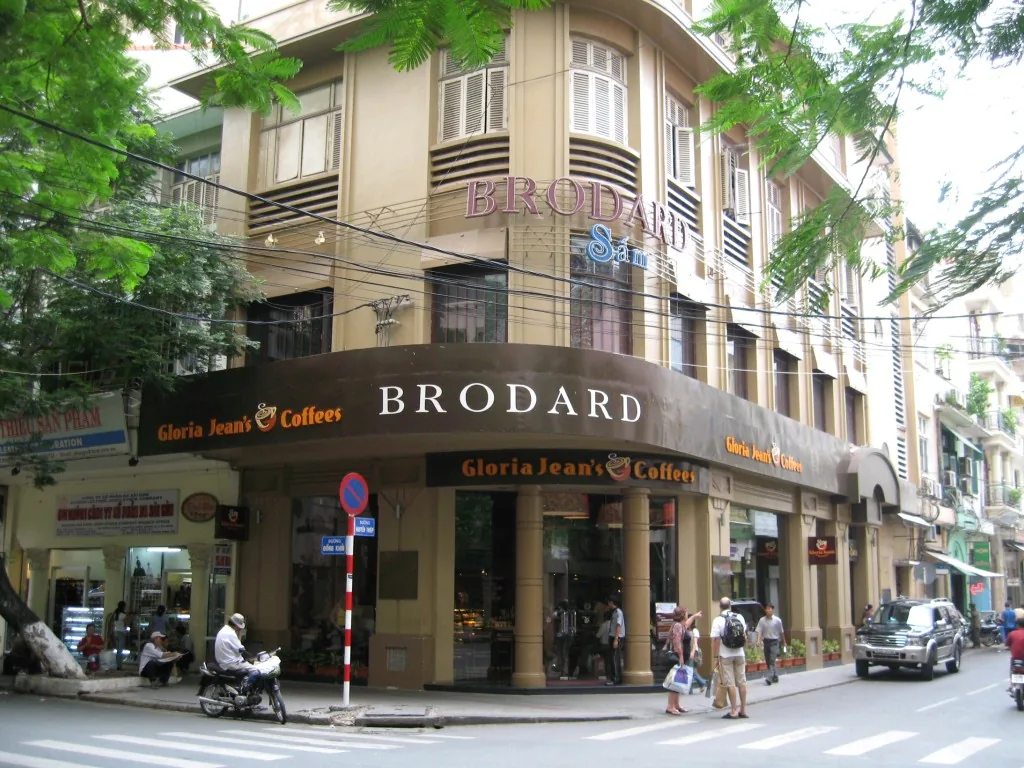
Sidewalk café culture in Saigon — a glass of iced coffee on a plastic stool costs 15,000–25,000 VND and entitles you to stay as long as you like
Street-level cà phê vỉa hè (pavement coffee) is the cheapest option: plastic stools, a roadside vendor, and a glass that costs 15,000–25,000 VND (less than $1.50). It is also, for many visitors, the most memorable coffee experience in Vietnam.
What to Order and Where
| Drink | Description | Best in |
|---|---|---|
| Cà phê sữa đá | Iced condensed milk coffee | Everywhere |
| Cà phê trứng | Egg coffee | Hanoi |
| Cà phê dừa | Coconut coffee | Hội An |
| Bạc xỉu | Mostly milk, little coffee | Saigon |
| Cà phê đen | Black coffee, hot or iced | Everywhere |
| Specialty pour-over | Single origin, filter | HCMC, Hanoi, Đà Lạt |
One rule: if you order cà phê in Vietnam without specifying, you'll get robusta. If you want Arabica, ask specifically — or find a specialty shop.
Information notice: Prices, opening hours, and travel conditions can change. Content on EnViet is reviewed periodically but may not reflect the most current situation. Please verify important details with official or local sources before travelling or booking.
EnViet Editorial Team
The EnViet Editorial Team creates practical Vietnam travel and food guides using local knowledge, public sources, and manual editorial review. Content is reviewed before publication and updated periodically.